22
Oct 2026
Palawan summit calls for stronger action against HIV stigma as local program shows early gains
Roots of Health presents evidence that storytelling and provider training can reduce stigma, as gaps in prevention, testing, and treatment persist
PUERTO PRINCESA CITY, October 22, 2026 — Discrimination, gossip and breaches of confidentiality can keep people from getting tested for HIV or returning for treatment, health advocates warned at a provincial summit on Thursday. They called for stronger safeguards and coordinated action across health services and communities to ensure people can access care without fear.
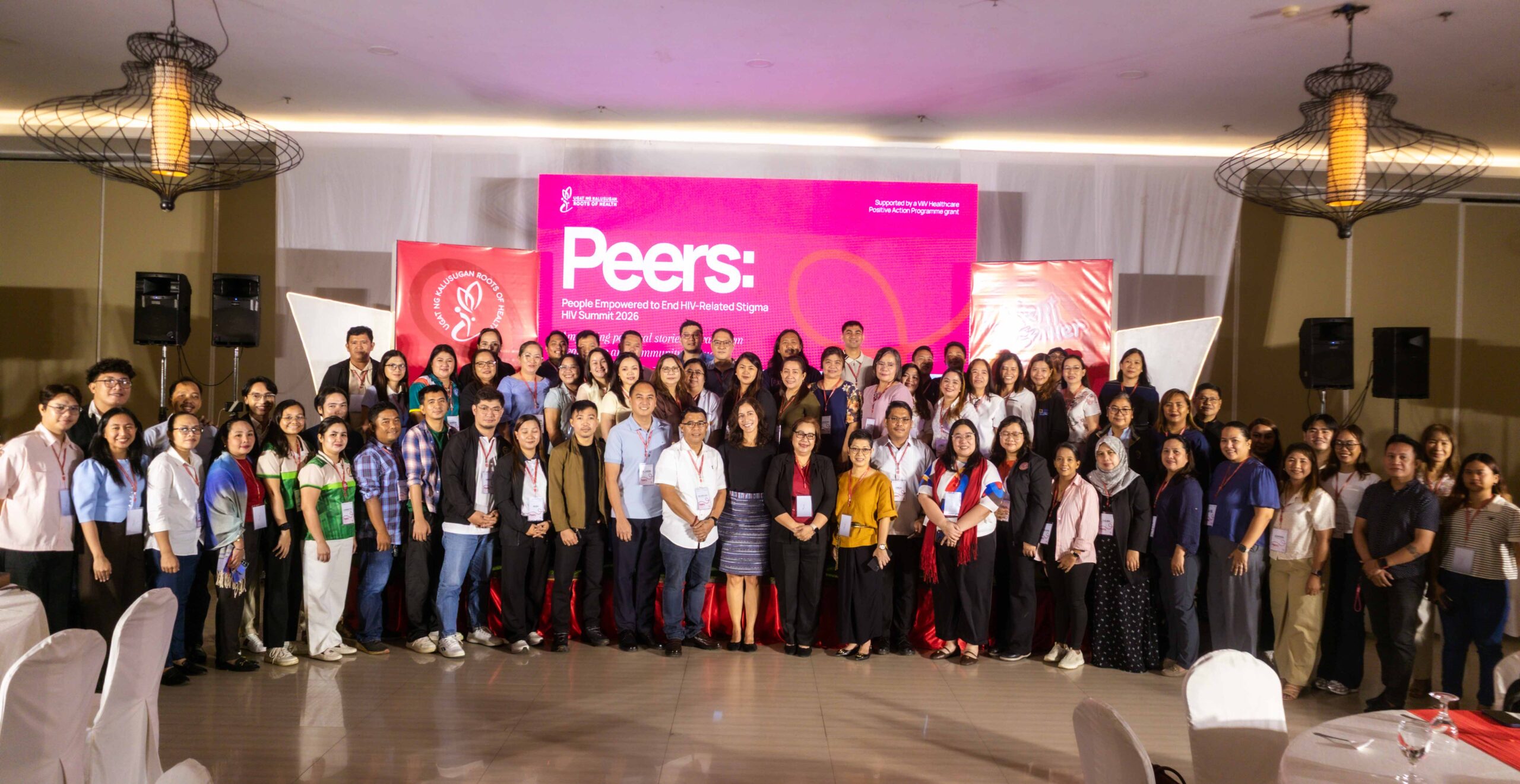
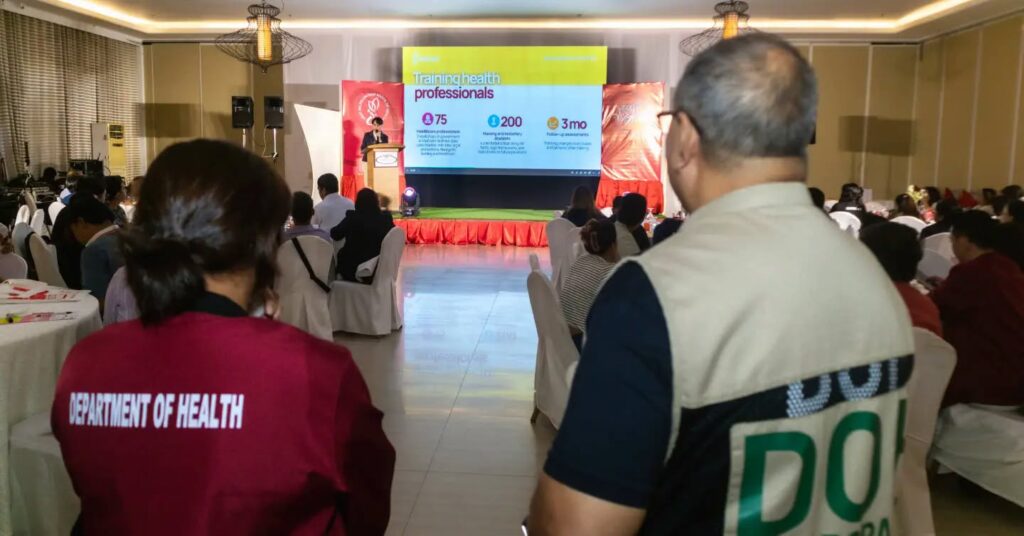
The summit, “PEERS: People Empowered to End HIV-Related Stigma”, was convened by nonprofit Roots of Health and brought together health workers, local government officials, DOH MIMAROPA representatives, people living with HIV (PWH), and youth and community leaders.
“Testing and treatment are available, but the hardest part isn’t providing the services. It’s getting people through the door,” said Amina Evangelista Swanepoel, Executive Director of Roots of Health. “A person who is afraid to be seen cannot be treated.”
The summit featured findings from Stories and Support, a stigma-reduction project led by Roots of Health and supported by ViiV Healthcare Positive Action. The project trained 45 PWH in storytelling and advocacy, and produced a 16-minute documentary featuring six of them for use in healthcare worker training. It then trained 202 healthcare students and 132 healthcare professionals on HIV-related stigma, bias, patient rights, and legal protections.
Project evaluations showed that three out of four PWH participants recorded lower overall HIV stigma scores after the intervention, driven by reduced fear of visiting clinics. Three in five healthcare workers recorded lower stigma scores after training that featured PWH stories, while 62% of future nurses and midwives showed positive shifts in beliefs and attitudes after orientations.
Laudemer Mejia, Roots of Health Monitoring, Evaluation, and Learning Director, noted that storytelling helped reduce shame while strengthening PWH’s self-worth and confidence in managing their health. Mejia added that PWH narratives challenged healthcare providers’ biases and encouraged more empathetic care.
Follow-up assessments conducted nine months later revealed that these gains need reinforcement. Fear of privacy breaches and gossip persisted among PWH, while heavy workloads and facility overcrowding strained healthcare workers’ ability to sustain respectful care. Roots of Health said this underscores the need for continuous training and stronger confidentiality safeguards, not one-time interventions.
When confidentiality fails, people stay away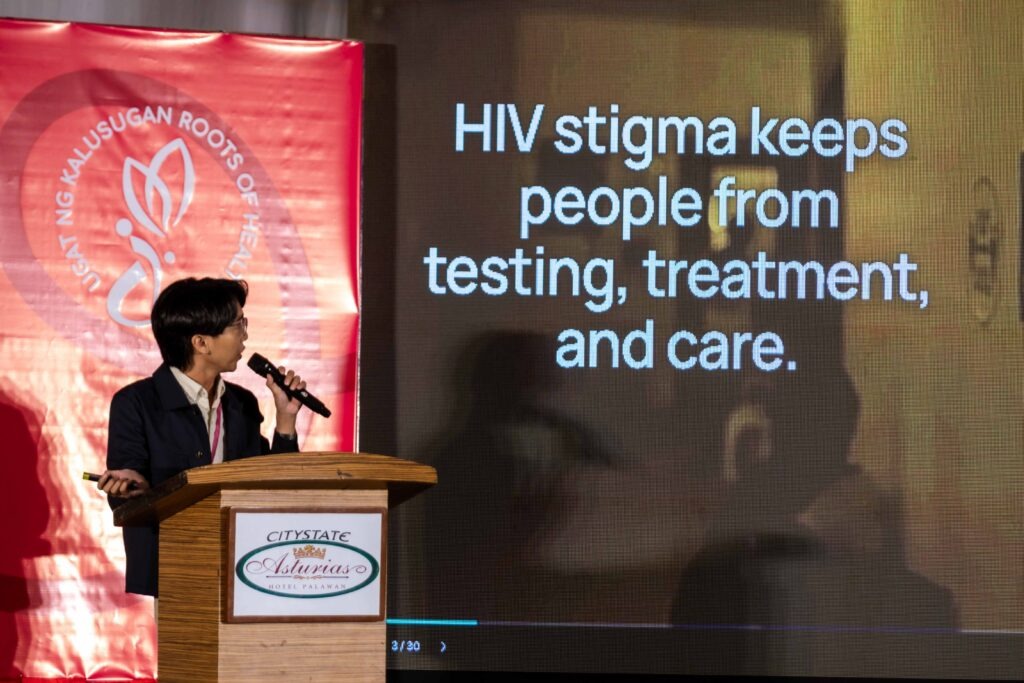
Personal accounts shared at the summit illustrated how stigma affects access to care. One participant described the distress of discovering that information about their HIV diagnosis had spread through their community – an experience that made others afraid to get tested.
Conversely, another recounted how supportive healthcare workers helped them disclose their status to family members who then rallied behind their treatment journey.
“These experiences show that confidentiality, respectful communication and consistent support are essential, not optional additions to HIV care,” said RR Morales, HIV Programs Director at Roots of Health. “They directly determine whether people seek testing, begin treatment, and remain connected to services.”
National epidemic, local treatment gaps
The Philippines has the fastest-growing HIV epidemic in the Asia-Pacific region, with new infections rising by 550% between 2010 and 2024, according to the World Health Organization and UNAIDS. The Department of Health (DOH) reported 4,633 newly confirmed cases nationwide in the first quarter of 2026, averaging 51 a day.
Data presented by DOH MIMAROPA at the summit estimate that 1,300 people in Palawan are living with HIV. Of these, 615 (47%) have been diagnosed. Among those diagnosed, 399 (65%) are receiving antiretroviral therapy, and only 108 of those on treatment (27%) have achieved viral suppression.
These figures fall short of the national 95-95-95 targets, under which 95% of people with HIV should know their status, 95% of those diagnosed should be on treatment, and 95% of those on treatment should be virally suppressed.
To bridge these gaps, Roots of Health called for stronger confidentiality safeguards and reliable referral and social-support networks for people navigating testing and treatment. The organization proposed continuous HIV stigma-reduction training and mentorship for health providers.
Roots of Health also advocated for the integration of sexual orientation, gender identity and expression, and sex characteristics (SOGIESC) awareness and HIV stigma reduction modules into the public education curriculum. Community and youth organizations were urged to help counter misinformation and expand peer support.
The nonprofit stressed that sustained progress requires local governments and health institutions to back these efforts with clear privacy policies, adequate budgets and consistent standards for respectful, nonjudgmental care. ###