18
Feb 2026
Collaboration & Expansion: Bringing Sexual and Reproductive Health Services to Those Who Need Them Most
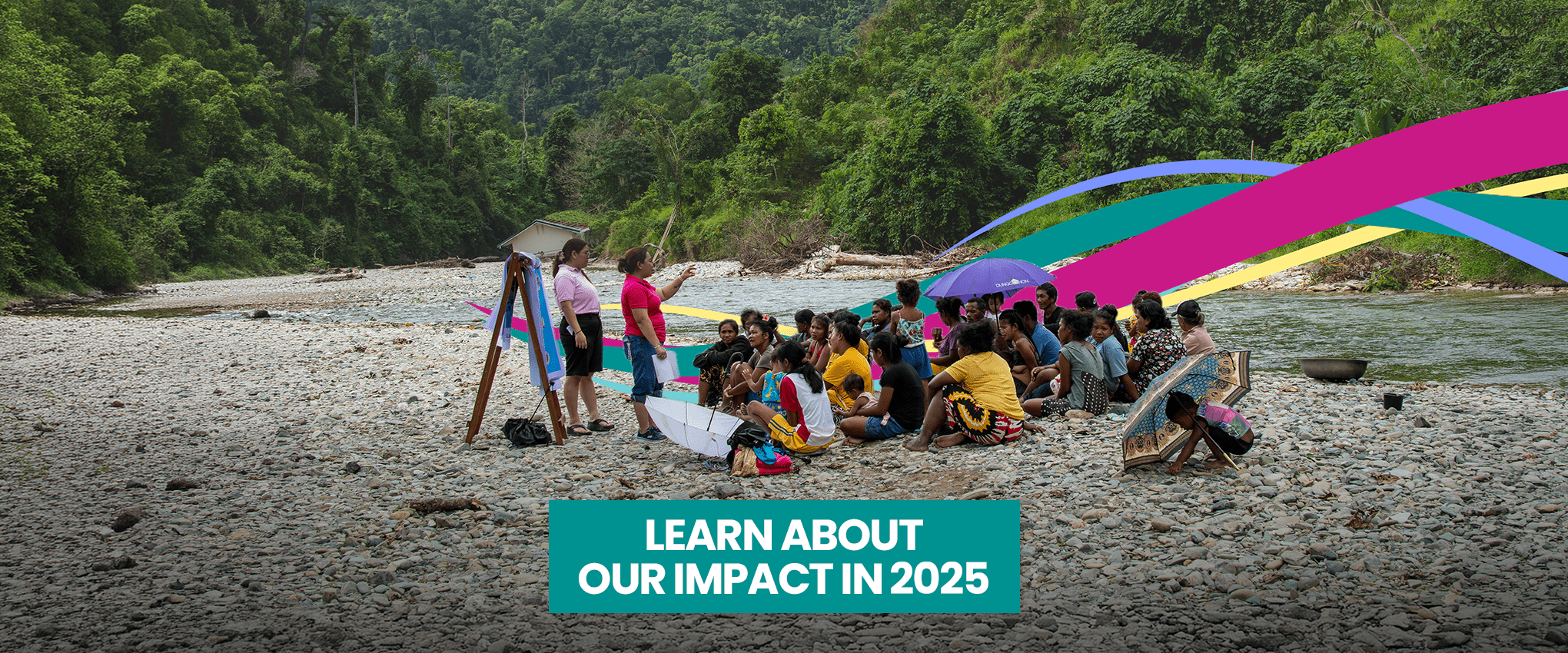
In 2025, we dared to try new things. We reached new communities, teamed up with new partners, and took our trainings to new parts of the country. Expansion hasn’t been easy, but every challenge helped us refine our strategy.
From clinics and classrooms to communities and city halls, more young people asked questions. More women accessed services. More partners opened doors. And more supporters helped make our work possible.
Every number here represents real people choosing health, safety, and informed decisions for their futures.
Highlights from the Year
- 16,500 clients protected from unplanned pregnancies (4,700 adolescents)
- 32,000 contraceptives and prenatal vitamins donated to rural health centers
- 1,300 individuals screened for HIV (22 were positive)
- 55 people started Preexposure Prophylaxis (PrEP)
- 32 people with HIV supported with treatment
- 7,700 young people reached through education sessions
- 14.8 million online reach across multiple platforms (6.6 million video views)
- Youth Advocates referred 163 youth for contraceptive services and screened 279 for HIV
- 200 government partners trained to provide youth-friendly services, and HIV screening
Pushing Boundaries, Growing Together
This year, we worked with new partners like Rotary, ViiV Healthcare Positive Action Fund, Stairway Foundation, Tondo Community Initiative, and local governments in Sison, Calapan, and Puerto Galera.
We strengthened our national partnership with the Department of Education, which invited us multiple times to train teachers and school staff. Together, we worked on integrating non-judgmental reproductive health education into school curricula and school-based health programs.
With these partners, we explored new ways of delivering care and adapted education programs, serving people in communities Roots of Health hadn’t worked in before. We embraced the process of learning, experimenting, and growing along the way!
The need for safe, non-judgmental sexual and reproductive health services remains urgent in the Philippines. Young people continue to seek accurate information. More communities are opening conversations that were once difficult. At the same time, we are navigating real challenges like misinformation, persistent stigma, and shifting funding landscapes. Yet even amid these pressures, we see progress: stronger partnerships, wider reach, and deeper trust within the communities we serve.
These milestones aren’t just statistics. They’re clear signals that change is taking root, and that collective effort truly makes a difference. The groundwork is set for us to take even bolder steps in 2026!