17
Sep 2025
Roots of Health Brings Adolescent-Friendly Approach at Philippine Sexual Wellness Summit
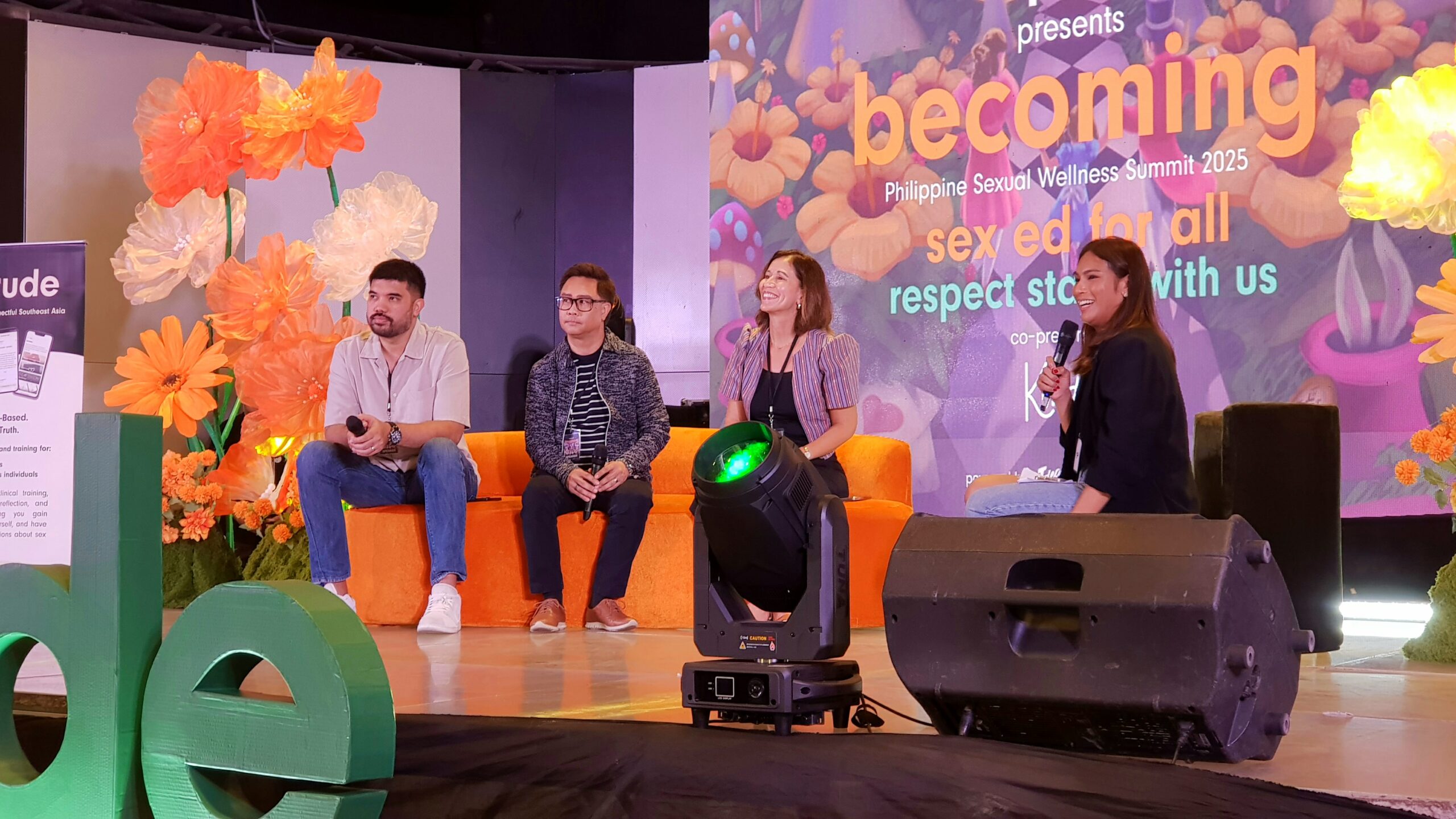
Mandaluyong City (September 15, 2025) — Roots of Health has brought its adolescent-friendly approach to sexuality education to Becoming: The Philippine Sexual Wellness Summit 2025 on September 14 at Podium Hall, Mandaluyong City. The one-day gathering brought together more than 1,000 parents, educators, health professionals, advocates, and young people to learn about sex and sexuality. Now in its second year, Becoming is the country’s only summit dedicated to advancing sexual wellness that
08
Feb 2023
Minors Should Be Able to Access Contraception
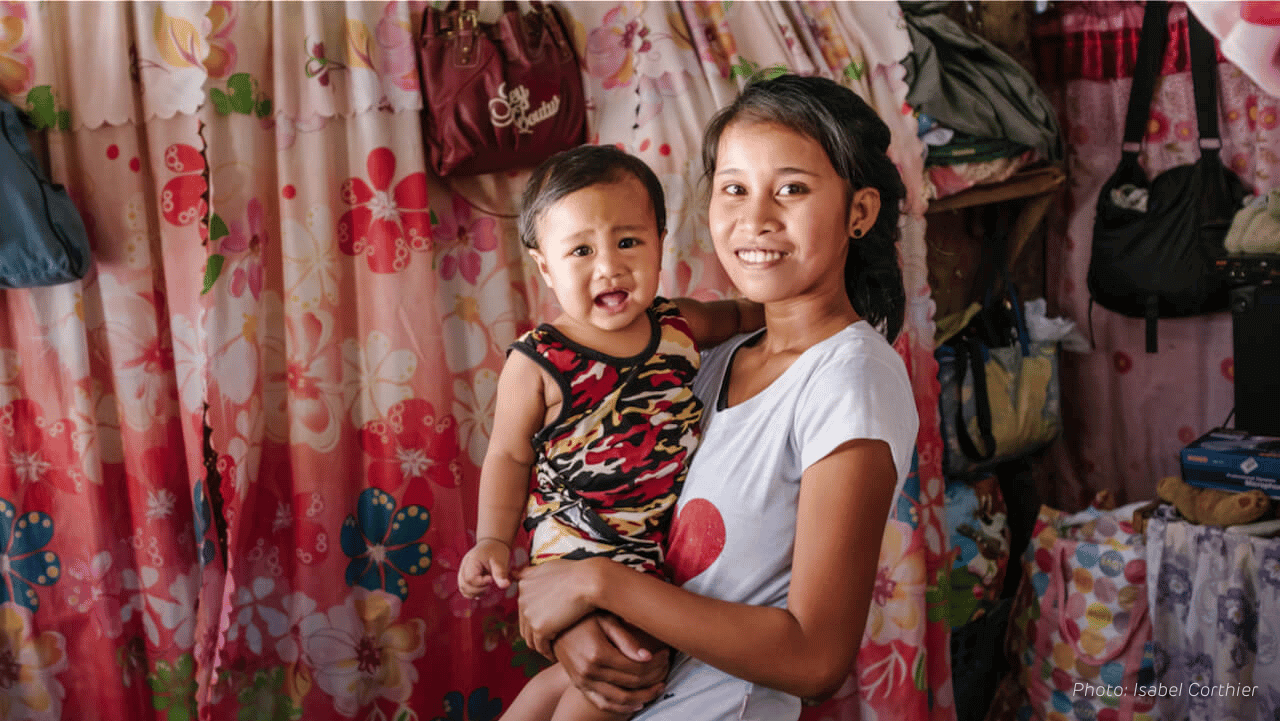
Puerto Princesa City, Tuesday, 7 February 2023 — Roots of Health (Ugat ng Kalusugan), a Palawan-based organization that provides educational and clinical services to women and young people, has called on government to allow adolescent access to family planning commodities and services. This, as the Senate held a committee hearing, Tuesday, on three bills that seek to prevent teen pregnancies in the country. Roots of Health Executive Director Amina Evangelista-Swanepoel, speaking
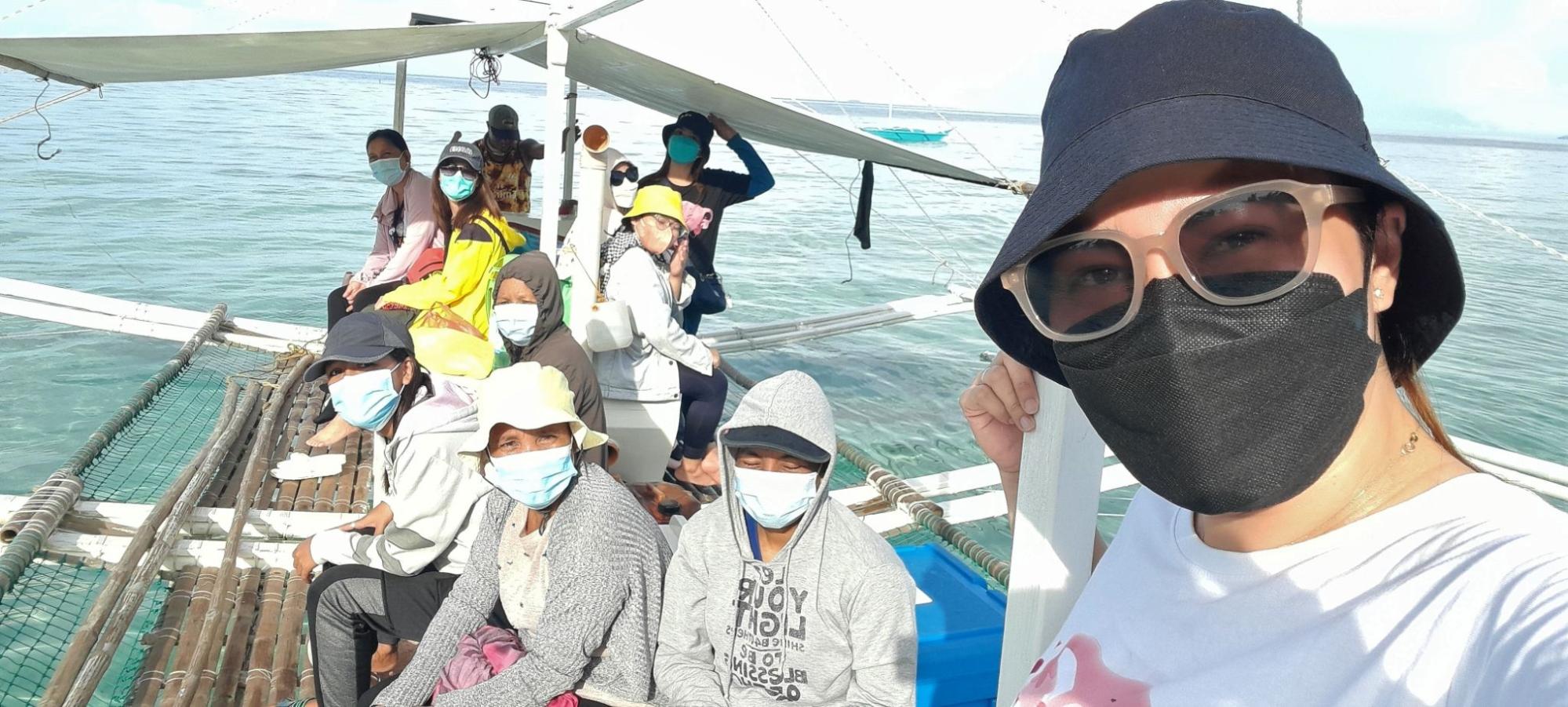
Early mornings, long boat rides, and hot and humid days – this is the typical scenario when traveling to Agutaya, one of the hardest-to-reach group of islands in Palawan, Philippines. Though the villages are separated by sea, people are never strangers. All happily greet each other as they gather at the local health center to avail of their contraceptive of choice during an outreach mission led by Roots of Health
12
Jan 2022
Active Rehabilitation: Civic groups partner with Odette-hit communities in Palawan for recovery
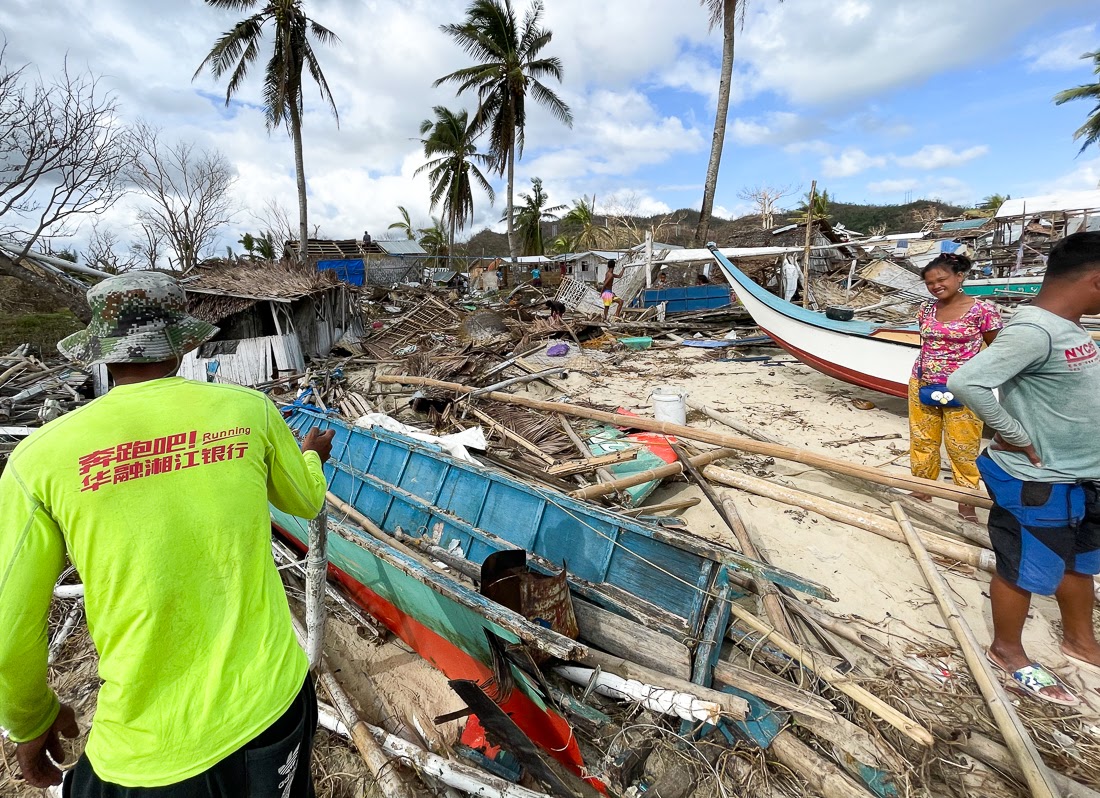
by Romar Miranda One fundamental truth about humanity is the idea that help will come no matter the disaster. A day after Typhoon Odette (international: Rai) ravaged central and northern Palawan, local communities were in shock because of the unprecedented damages to life and property caused by the typhoon, with a total estimate of more than P7.8 billion. With the local governments already stretched thin from managing the COVID-19 pandemic,
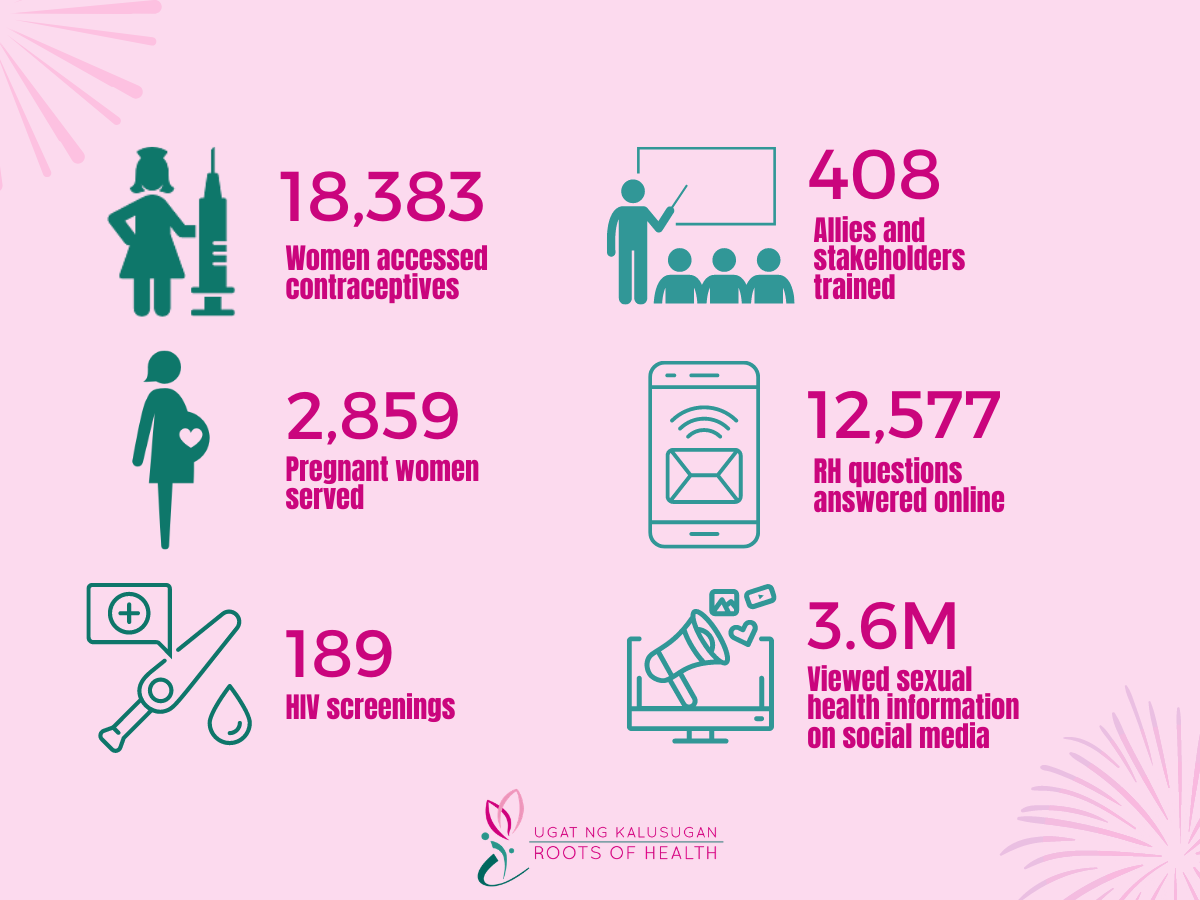
COVID-19 created so many challenges to the work we do. But because the pandemic put more women and young people’s lives at risk, we knew we needed to make sure we could keep providing life-saving essential services, education, and stakeholder trainings. Thanks to our supporters, we managed to continue providing all this in 2020, and more. Here’s a quick recap of what we couldn’t have done without our passionate supporters
05
Nov 2020
Pinay Power Online Bazaar
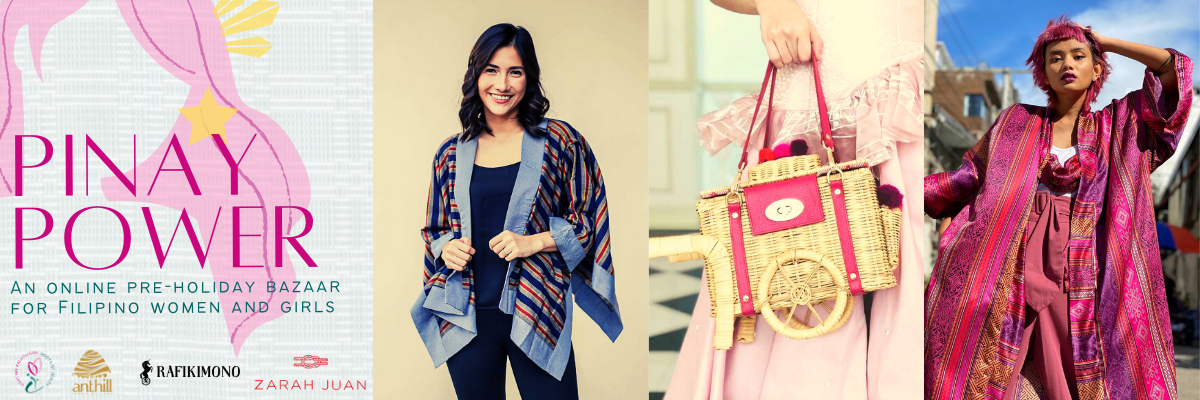
As we approach the holiday season, you can help change women’s lives and take a piece of the Philippines with you, wherever you are, through “#PinayPower: A Pre-Holiday Online Bazaar.” Shop from any of our partner brands from November 6-12, and 20% of every purchase you make will directly support reproductive health programs, including free birth control, HIV testing, prenatal checkups and comprehensive sexuality education. Here are five fabulous ways
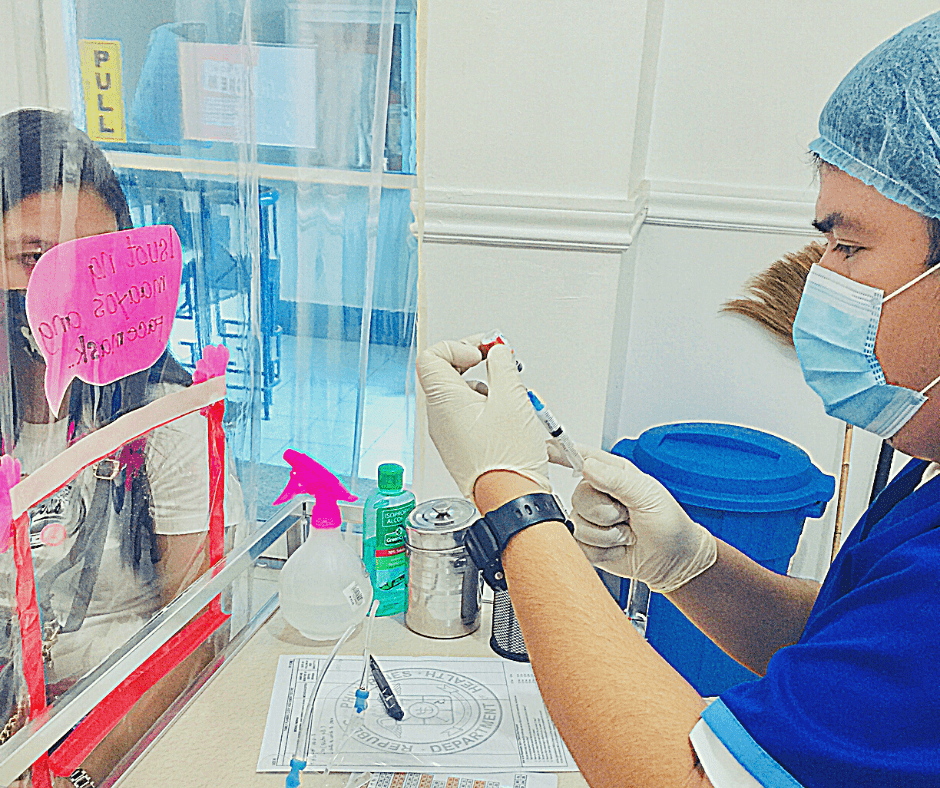
The only midwife in town could’ve been in high school with their mom. The pharmacist goes to the same church. Someone could be eavesdropping at the hospital and hear them asking about an HIV test. In places like Palawan, Philippines, where almost everyone knows everyone, young people often fear getting a pregnancy test, an HIV test, or contraceptives. To them, accessing services could mean other people finding out that they
Advocates, health care workers, educators, parents, and civil service organizations can learn a thing or two from how a small organization in Palawan changed thousands of women and young people’s lives. As a professor at Palawan State University, Susan Evangelista witnessed how her students dropped out of school after getting pregnant, usually unplanned. She saw, through her students, that unplanned pregnancies usually derailed young women from what would’ve been a
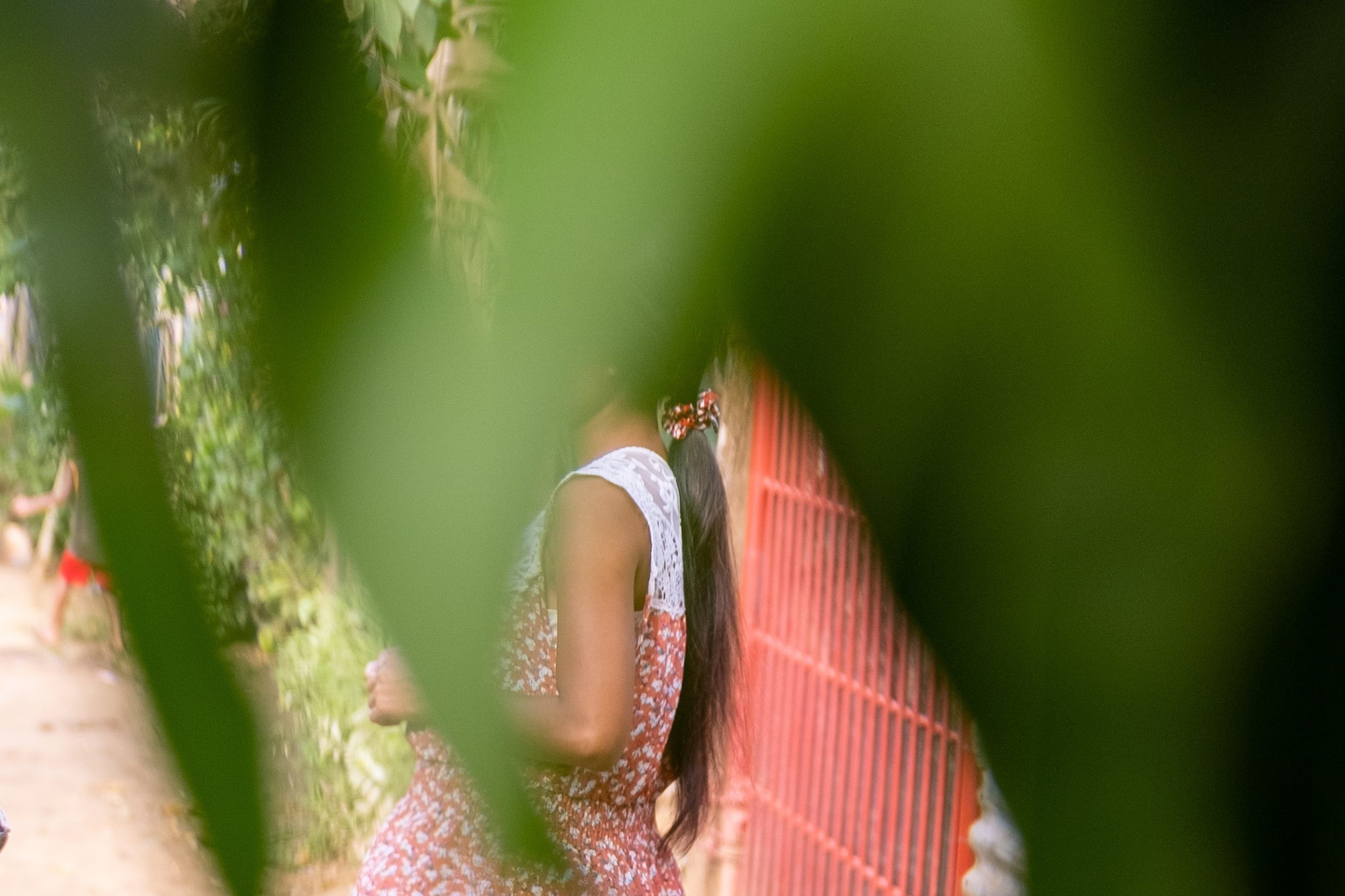
Almost 200,000 Filipino teenage girls get pregnant every year. Here’s why that’s a problem. by Alicia di Giovanni | Photo: Isabel Corthier When 16-year-old Tina’s* water broke, it was the last thing the ninth grader expected to happen in her high school campus, just a few miles away from the city center. She had thought that she was only seven months pregnant. Because she’d never had an ultrasound, she had
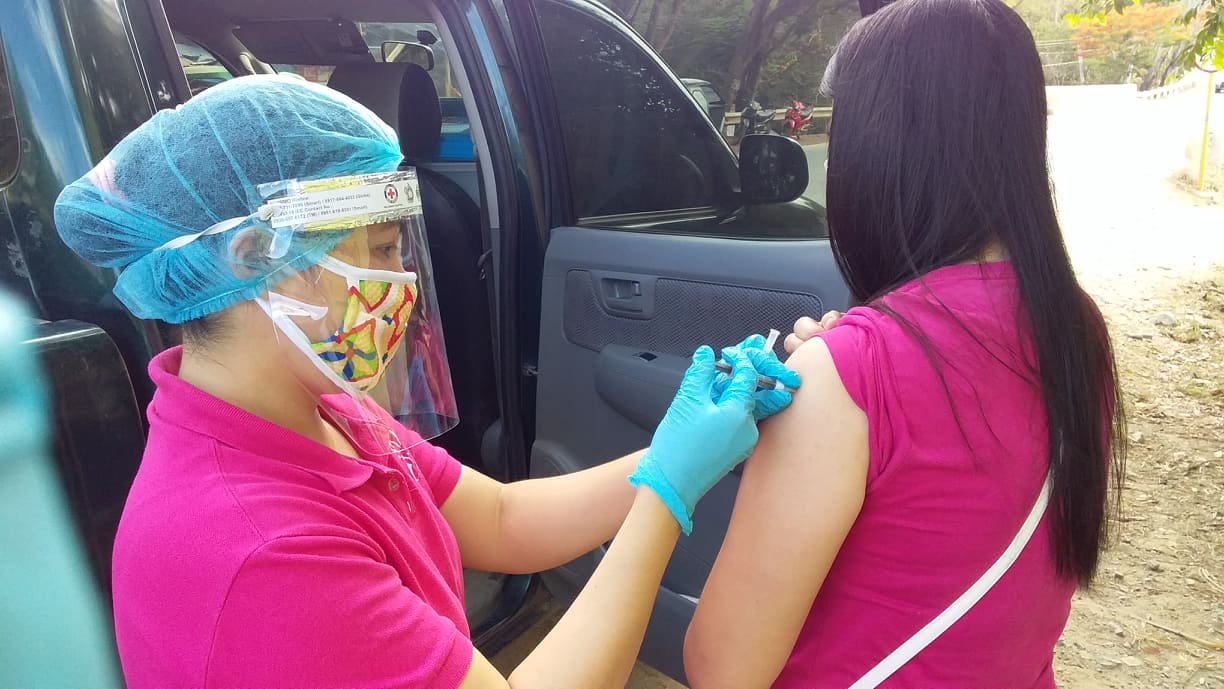
Joy* wanted to meet up in a hidden alley, a few blocks away from her home. Strangers passing by might wonder what sneaky business she’s up to, as a needle pokes into her arm and she breathes a sigh of relief. But she isn’t doing anything illegal—she’s just getting a birth control shot. Like Joy, many Filipina women and girls have to hide the fact that they use contraceptives. Their